In a competitive market, one of the easiest numbers to see is the list price.
It can also be one of the easiest numbers to misunderstand.
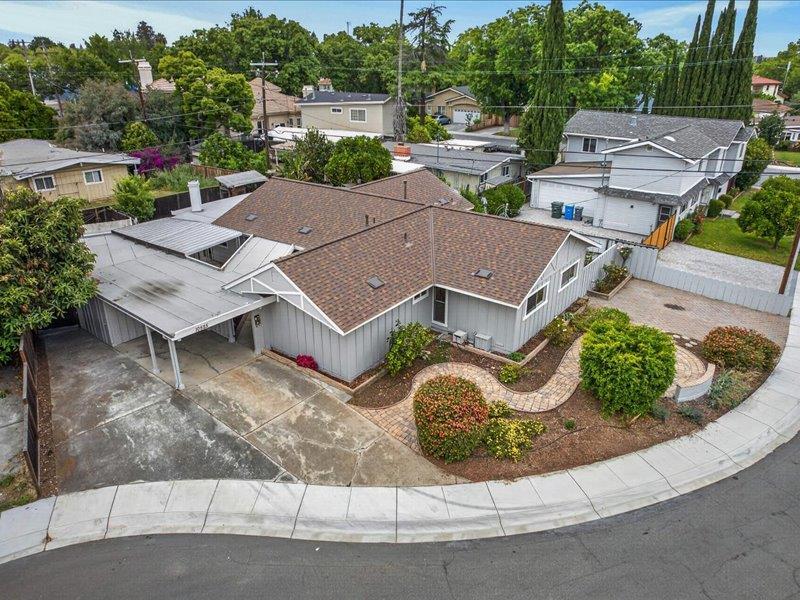
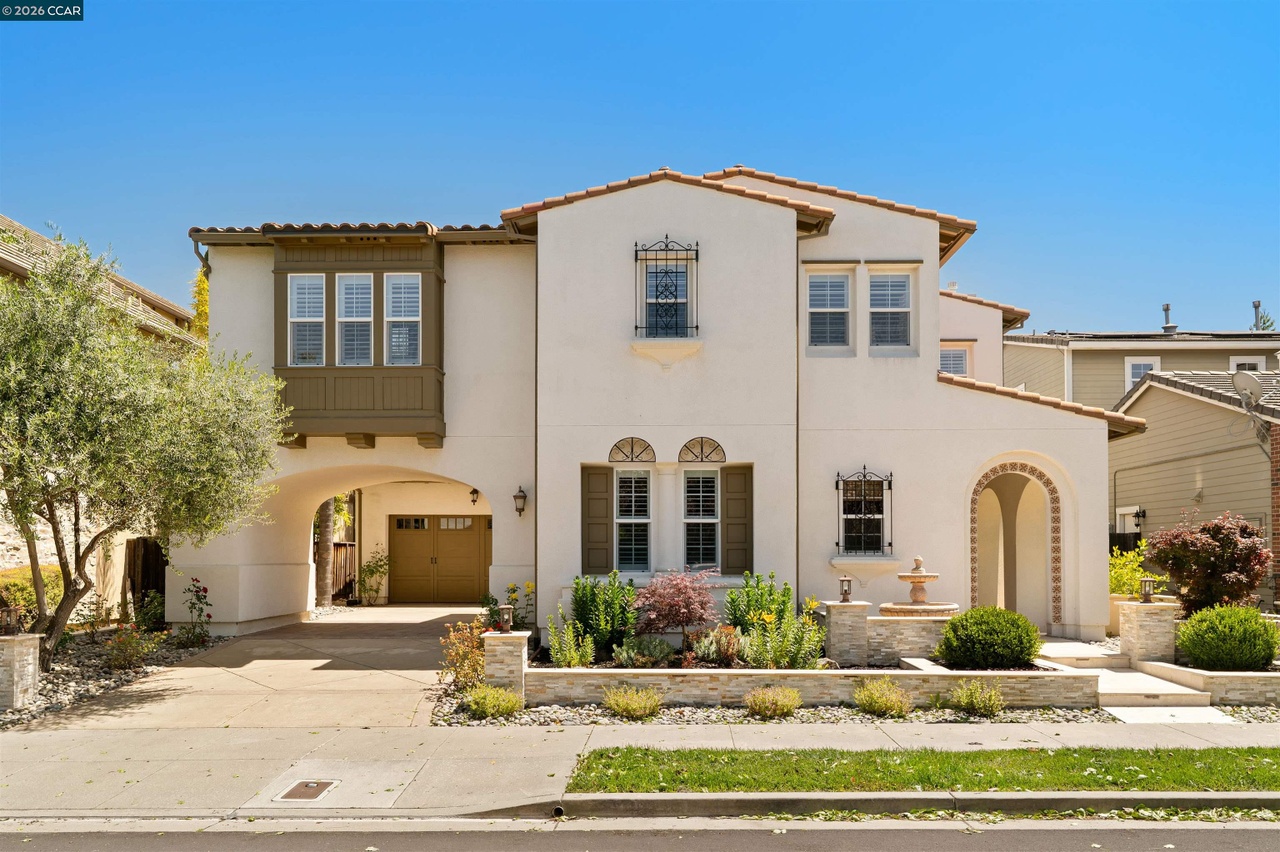
Recently, I represented the buyer of an outstanding home in Sunnyvale. It was the kind of property that naturally attracts attention, and the asking price was positioned to encourage competition.
Multiple buyers responded.
For my client, the question wasn't simply: "How much over asking should we offer?"
There were three more important questions:
What is it worth?
What will it take?
When should we walk away?
Looking Beyond the Asking Price
When a home is deliberately priced to attract competition, measuring an offer by how far it is "over asking" can be misleading.
A buyer offering substantially over asking isn't necessarily overpaying. And a buyer offering only slightly over asking isn't necessarily getting a bargain.
The relevant question is where the home's actual market value sits. That requires looking beyond the asking price.
We considered recent neighborhood sales, competing properties, size, condition, location and the characteristics that made this particular home desirable. But the comparable sales were only the beginning.
Buyers Don't Experience a Home on a Spreadsheet
Real estate data makes comparisons look deceptively simple. Sale price. Square footage. Price per square foot. Lot size. Bedrooms. Bathrooms.
All of those numbers matter.
But buyers don't experience a home on a spreadsheet.
They experience the floor plan. Natural light. Ceiling height. Condition. Improvements. Outdoor space. Street. Schools. Location. And sometimes simply how well all of those elements come together.
Two homes in the same neighborhood can look comparable on paper and generate very different buyer reactions. That difference matters when you're trying to understand value and anticipate competition.
The Numbers
| Property | Sq Ft | List | Sale | Vs. List | $/Sq Ft |
|---|---|---|---|---|---|
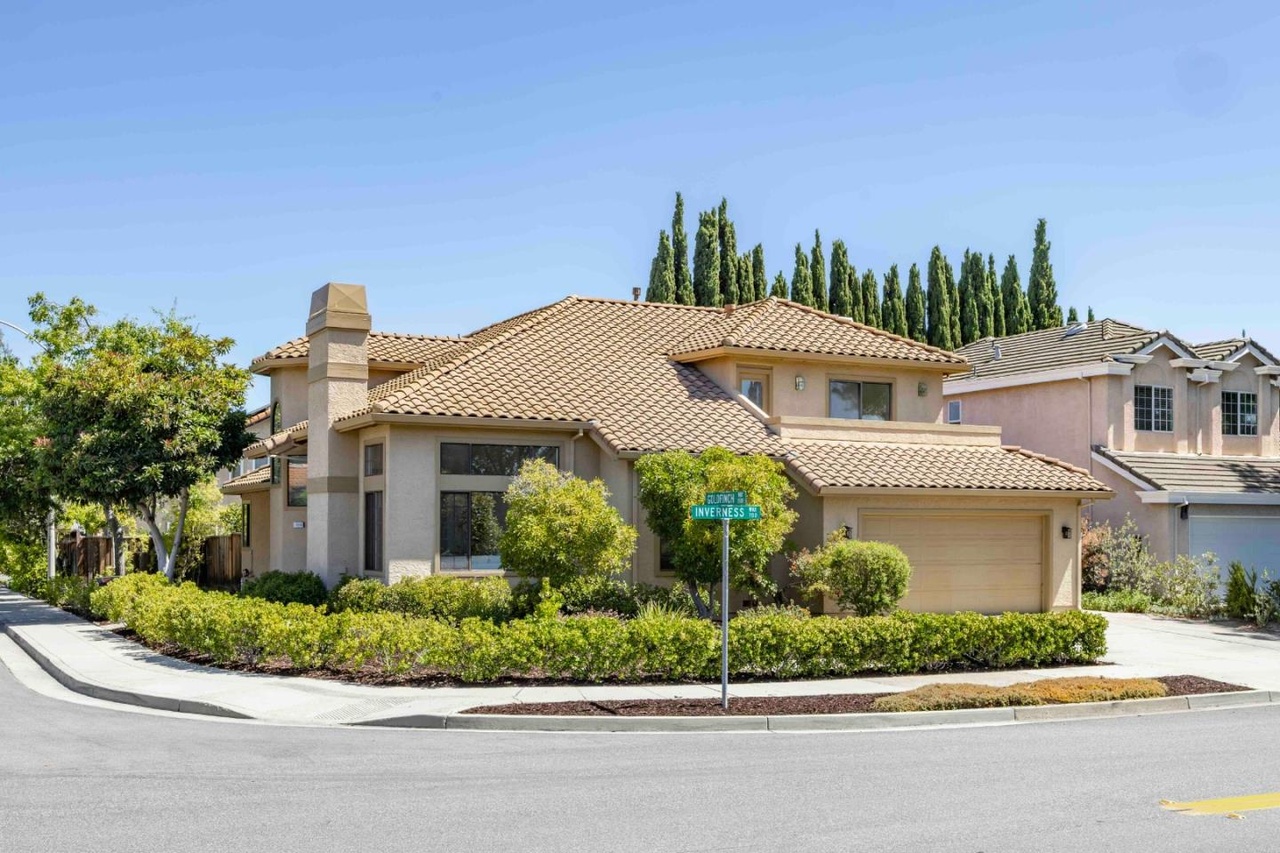
1590 Goldfinch Way Buyer Represented by Prasanna Rangaswamy | 2,652 | $2,988,000 | $3,780,000 | +26.5% | $1,425 |
1617 Goldfinch Way Neighborhood Comparison | 2,841 | $3,888,888 | $4,025,000 | +3.5% | $1,417 |
1461 Flicker Way Neighborhood Comparison | 2,460 | $3,488,888 | $3,816,800 | +9.4% | $1,552 |
1590 Goldfinch Way sold 26.5% above its asking price. That sounds dramatic until you look beyond the list price. At approximately $1,425 per square foot, the final price was nearly identical to the approximately $1,417 per square foot achieved at nearby 1617 Goldfinch Way, and below the approximately $1,552 per square foot achieved at 1461 Flicker Way.
The comparison illustrates an important distinction: paying substantially over asking is not necessarily the same as overpaying. The list price is a positioning decision. Market value is a different question.
Nearby sales are presented for market context only. No two properties are identical, and price per square foot is only one measure of value.
The Buyer Strategy
Once we had a reasonable understanding of value and likely competition, the objective wasn't simply to win.
In a multiple-offer situation, it is easy for a buyer's thinking to shift from "Should I buy this home?" to "How do I beat everyone else?"
Those are fundamentally different questions.
My role was to help my client understand what the property was reasonably worth in the current market, what it might realistically take to compete, and where winning would stop making sense for them.
The decision ultimately belonged to the buyer. Good representation should provide the information, context and judgment necessary to make that decision confidently.
Winning Is Only a Good Outcome at the Right Price
There is no universal formula for competitive real estate.
Sometimes the right strategy is aggressive. Sometimes it is patience. Sometimes it is structuring an offer differently. And sometimes the best advice is to walk away.
That's why I don't believe buyer representation should be measured simply by whether an agent “won” the house.
The better question is whether the client made a sound decision.
Every property is different. Every competitive situation is different. And the right strategy should change with the circumstances.
The strategy changes. The advocacy doesn't.
Written by Prasanna Rangaswamy, Real Estate Advisor with Arcus Homes, CalDRE #01974788 | NMLS #1314117. Based in Fremont and advising buyers, sellers and investors across the San Francisco Bay Area and California.
See Beyond The Market.
Prasanna Rangaswamy
Bay Area real estate advisor with over 10 years of experience helping tech professionals and families buy and sell homes across Fremont, Sunnyvale and the greater Bay Area.
Arcus Homes | CalDRE #01974788 | NMLS #1314117 | (510) 209-3085 | prasannaadvisory.com